
PRECISION│ PROTECTION │ INTELLIGENCE
Most organisations are investing in airspace security capability without a clear understanding of their actual airspace risk exposure
Paragon defines, quantifies, and prioritises airspace risk—before any technology decisions are made
Ensure your investment in counter-UAS capability is aligned to real threat exposure-not assumption-driven decisions
Confidential. No obligation
Supporting critical infrastructure and security-critical environments
Why organisations misjudge airspace risk
Undefined Risk
No structured methodology to assess airspace risk across assets.
Decisions are made without a clear understanding of the threat landscape.
Legal & Operational Uncertainty
Unclear legal authority limits response options and creates operational hesitation.
Detection without a defined response capability creates false assurance.
Misaligned Investment
Technology is deployed without alignment to the actual threat profile.
This results in under-protection where risk is highest—and over-protection where it is not—driving misallocated investment and limited operational benefit.
The result: investment that fails to align with actual risk exposure.
The Paragon Approach (PTPF™)
Airspace risk is not eliminated through technology alone.
It is defined, quantified, and aligned to capability through a structured approach.
PTPF (Paragon Threat Profiling Framework) provides a structured methodology to define and manage airspace risk





Identify site-specific threat actors, intent, and environmental context.
Assess likelihood, impact, detectability, and response complexity.
Define realistic threat scenarios and operational impact.
Continuously reassess risk and validate capability effectiveness.
Define required detection, tracking, and response capabilities.
This ensures capability is aligned to actual risk—before crtical investment decisions are made.
Airspace Risk Assessment (PTPF™)
A structured engagement to define and align airspace risk before capability decisions are made
Paragon works with a limited number of organisations to baseline airspace risk using the PTPF™ methodology.
What this delivers
Threat Profile
A clear definition of your airspace threat profile.
Risk Quantification (PARI)
A structured assessment of likelihood, impact, detectability, and response complexity.
Scenario Modelling
Realistic threat scenarios aligned to your operating environment.
Capability Alignment
Defined detection, tracking, and response capability requirements.
Executive Output
A clear executive-level view of risk, exposure, and investment priorities.
This is not a technology exercise.
It is a strategic assessment of airspace risk and capability alignment.
Paragon is engaged in active deployments across critical infrastructure and high-security environments, supporting strategic airspace risk and capability decisions.
Engagements are limited and typically initiated following an initial briefing.
Tailored Airspace Risk Insights by Sector



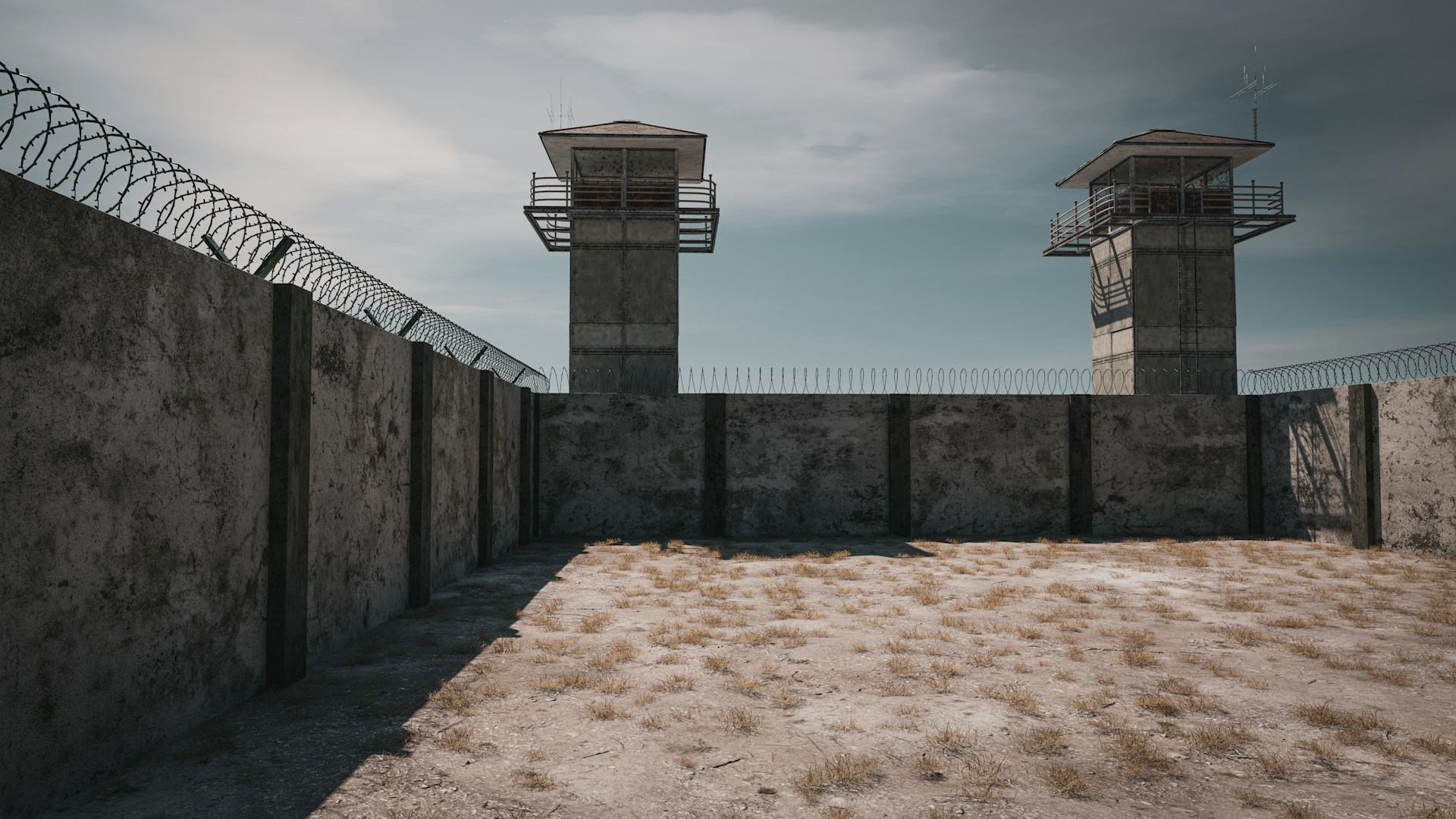
Baseline airspace risk assessment delivered at a UK custodial facility, applying the PTPF™ methodology and PARI™ scoring.
Engaged with high-security environments to quantify and align airspace risk to operational capability.
Delivering actionable outputs for executive decision-making on counter-UAS investments.


Limited availability
Structured assessment using PTPF™ methodology